MSA Blog
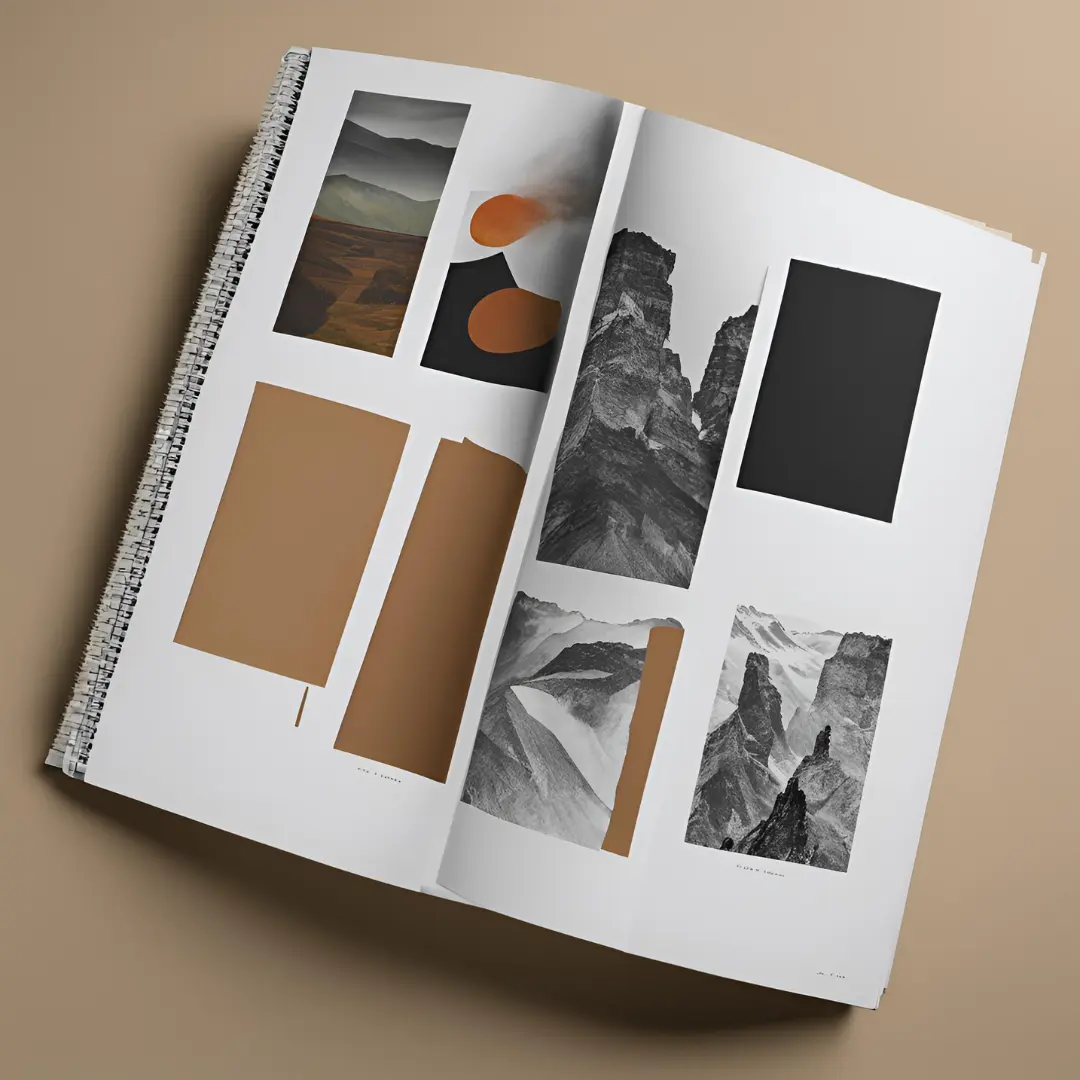
- Details
Your portfolio is your chance to showcase your skills, passion, and unique artistic voice. But how do you make sure your portfolio stands out in a sea of talent? Let’s break down the essentials to help you create a portfolio that will leave a lasting impression. Show a range of skills Admissions teams and employers want to see versatility. Include observational drawings, digital work, mixed media, and 3D pieces if possible. A well-rounded portfolio demonstrates your ability to adapt and experiment. Select work that truly reflects your artistic journey, that not only show your technical skills but also demonstrate your growth as an artist. Focus on a mix of projects: personal pieces, class assignments, and experiments that highlight your range. Tell a story Universities want to see more than just your finished works; they want to understand your process. A great portfolio has a sense of narrative. Include sketches, drafts, or photos that show the development of a piece from start to finish. This gives insight into your creative thinking and problem-solving abilities, which are as important as the final outcome. Show your passion Your portfolio is a reflection of who you are as an artist. Don’t be afraid to showcase the pieces that truly excite you, whether they’re abstract, experimental, or something entirely unconventional. Universities love seeing that spark of originality. If you’re passionate about a specific theme or medium, let that shine through. Presentation matters A well-organised portfolio speaks volumes about your attention to detail. Arrange your works logically, group similar pieces together or present them in chronological order to demonstrate your evolution as an artist. Keep your presentation clean and professional and avoid overcrowding the page with excessive text. Let your art speak for itself. Make it personal Your portfolio isn’t just about the work; it’s about you. Include a brief introduction that gives context to your pieces. Why did you choose a certain subject or medium? What inspires your work? Include work that reflects your interests, inspirations, and unique style. Be ready to talk about it At your interview, be ready to talk about your pieces. Know the stories behind each one, the techniques you used, and any challenges you faced during the creative process. The interview is your opportunity to dive deeper into your artistic world. Your portfolio is a reflection of you, and your chance to tell your story as an artist. Make it personal, polished, and passionate. Good luck!
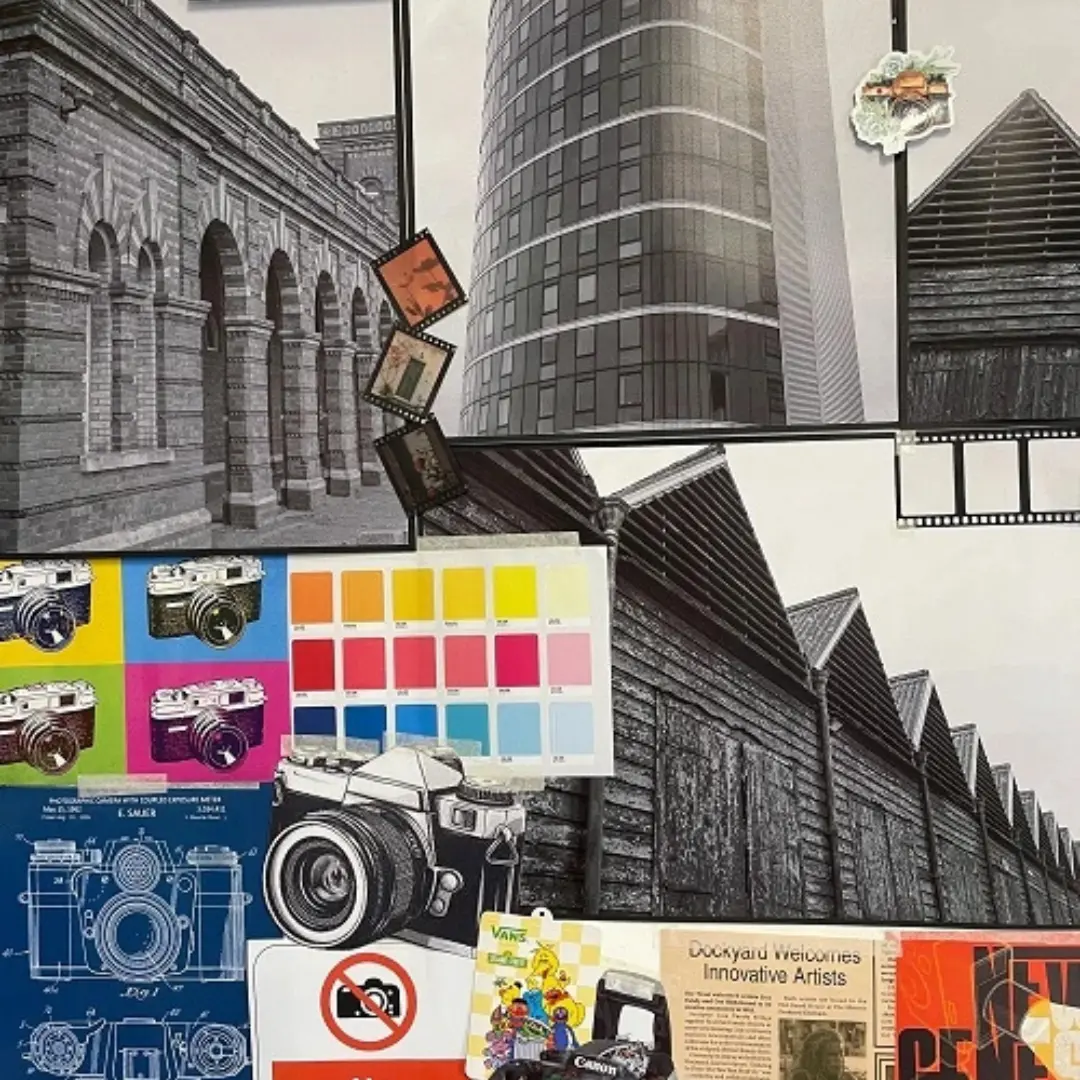
- Details
Thinking about a career in art and design but unsure where it could take you? Here’s a quick Q&A to clear up common questions about creative career paths.
- Details
Starting a graphic design course is a great way to begin an exciting career that mixes creativity and technology to share ideas through visual communication.
- Details
Medway, a collection of towns rich in history, has long served as a centre of creativity. Known for its vibrant arts scene, Medway has a heritage of arts education that dates back to the 19th century.
- Details
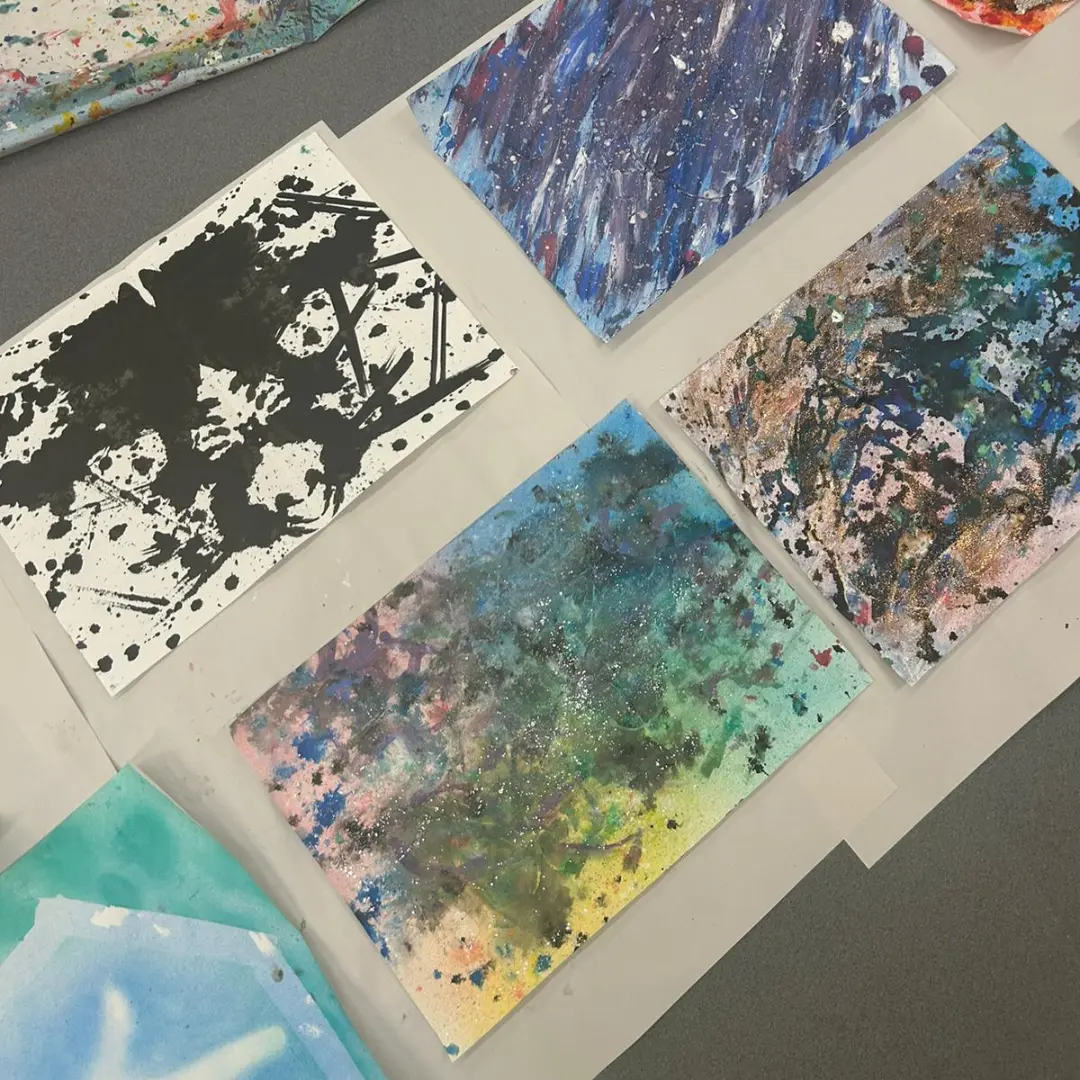
Completing a HND in Graphic Design opens up a wide range of exciting career opportunities in the creative industries. This two-year course equips students with both traditional and digital design skills, preparing them for various entry-level positions.
- Details
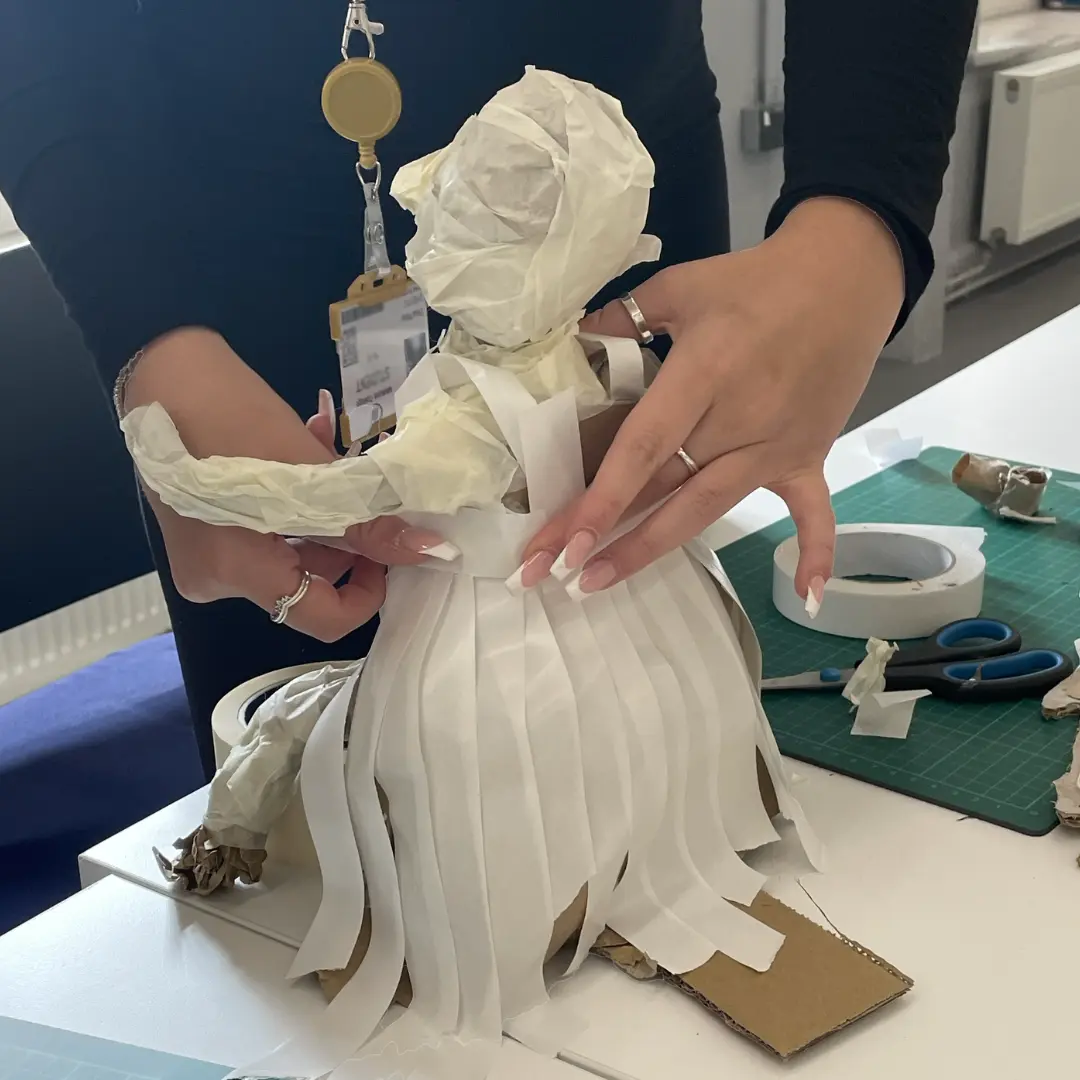
If you’re passionate about art and design and looking to boost your UCAS points and portfolio, a Foundation Diploma in Art & Design might be the perfect solution.